A topic that many women don't feel comfortable talking about
Vaginal dryness
Almost 50% of women are affected by vaginal dryness during menopause. For many, this can have a negative impact on their sex life, their relationship or, more generally, their quality of life.
Many women experience symptoms such as itching, burning or pain related to vaginal dryness. The lack of moisture can also often make sex painful and uncomfortable.
The cause: reduced hormone production levels
As oestrogen levels drop during menopause, production of vaginal fluid decreases. At the same time, the blood supply to the entire vaginal area also decreases, and cell renewal slows down.
As a result, the skin in the vagina and the external genital area becomes thinner and more easily injured. It is less elastic and can become dry more quickly.
And not just during menopause...
Hormone shortages and fluctuations can also lead to vaginal dryness following surgery on the womb or ovaries, during pregnancy and breastfeeding and while taking the contraceptive pill. In addition, some metabolic diseases (e.g., diabetes), certain medications, radiation therapy for cancer and stress can all contribute to vaginal dryness.
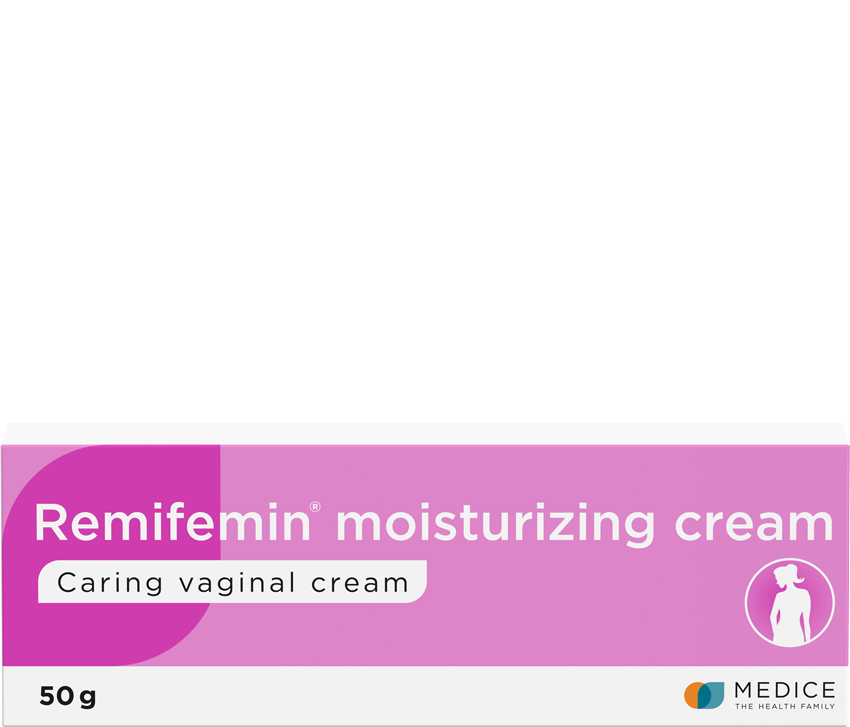
To help relieve the symptoms, a non-hormonal vaginal cream can be used. It provides both moisture and lipids (fats) for lasting care.
Practical tips for vaginal dryness
Use only warm water to clean the external genital area — do not use soaps or shower gels.
Do not use vaginal douches — these can make the symptoms even worse.
Wear breathable underwear and avoid tight-fitting clothing.
Attend your regular check-ups with your doctor.
Additional information
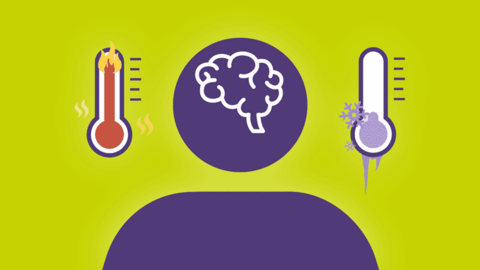
A sudden increase in heat (sometimes leading to sweating) is a typical symptom of menopause. This is caused by the slow reduction in hormone levels during menopause, which irritates the body's temperature control system. The result: hot flushes.
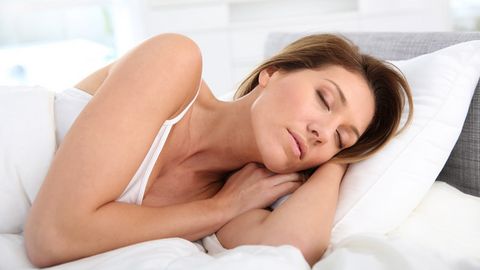
The hormonal transition during menopause often results in problems falling asleep and staying asleep. Night sweats can also have a negative impact on sleep. A persistent lack of sleep can reduce physical performance while increasing emotional stress.

Many women are already familiar with hormone-driven mood swings from the days leading up to their period (PMS). Something similar happens during menopause, and symptoms range from anxiety and tension to low mood.
The Remifemin® product family
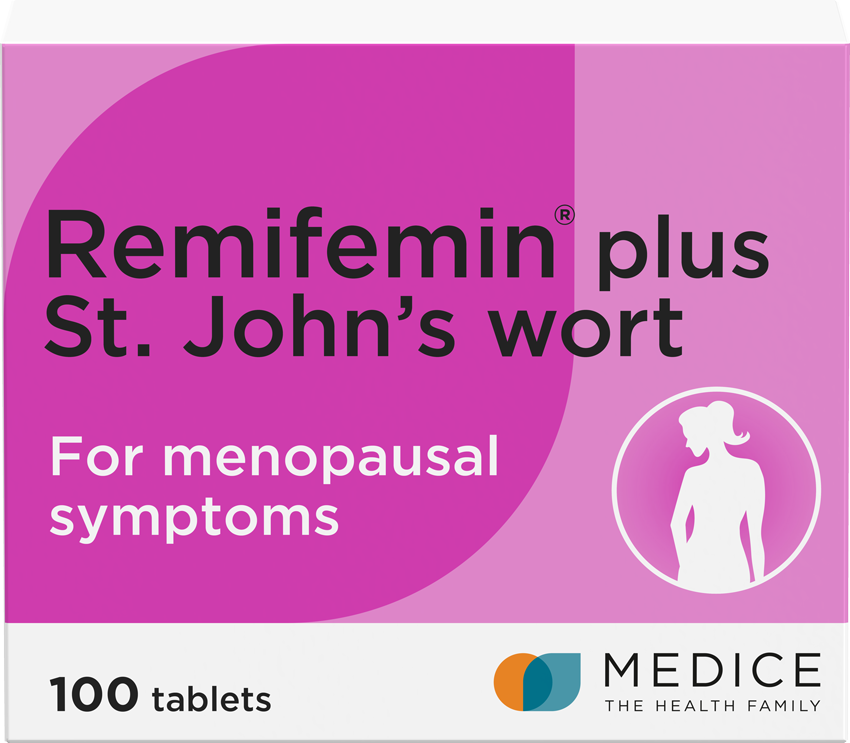
The product family – consisting of Remifemin® plus St. John's wort and Remifemin® – contains effective preparations for symptoms such as hot flushes, sweating and sleep disturbances1,2. Remifemin® Moisturising Cream (medical device) for use in cases of vaginal dryness completes the Remifemin® product portfolio.

St. John’s wort
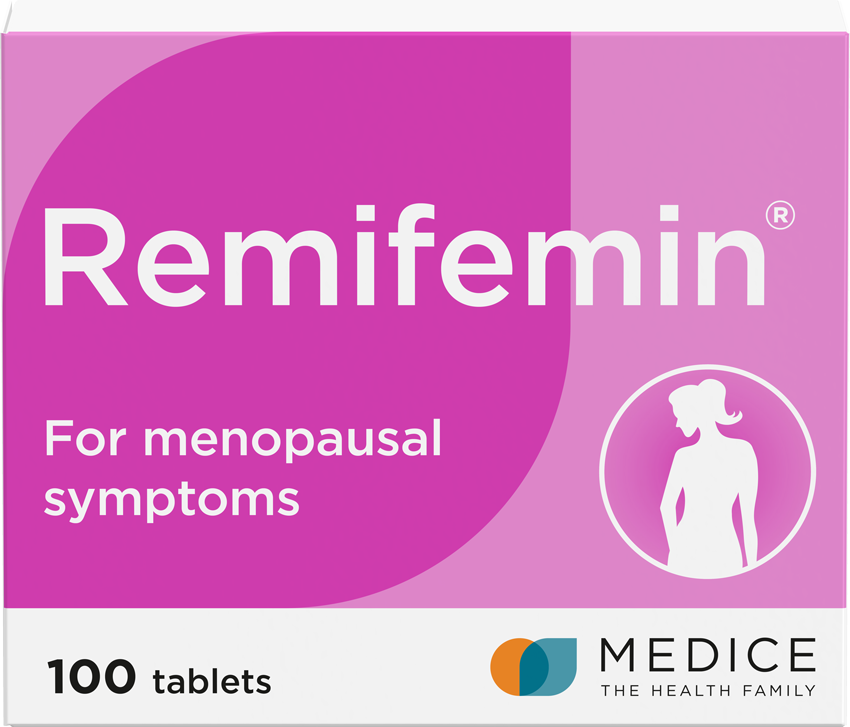
Moisturising Cream