Dry skin, wrinkles, loss of elasticity:
Skin changes during menopause
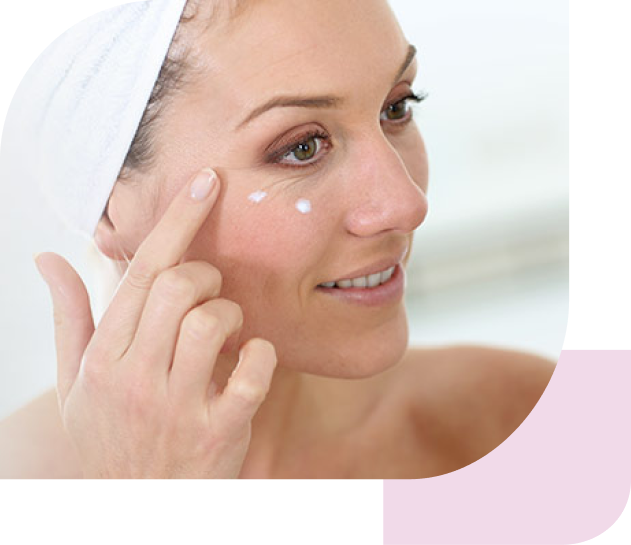
Sweating, hot flushes and mood swings are just some of the typical symptoms that women experience during menopause. But our skin also changes during this time.
During menopause, the skin becomes dryer and less elastic. This happens because the body is producing less and less of the female sex hormone oestrogen. As a result, the cells lose their ability to store moisture in the connective tissue. The regeneration and renewal of skin cells also slows down. The result is that the skin becomes less firm, moist, plump and radiant.
However, women may also experience spots, blemishes and rashes during menopause. Microcirculation (the flow of blood through the skin's smallest blood vessels) also slows down during menopause, which can cause the skin to lose its natural radiance. However, none of this is written in stone. With the right combination of a healthy diet, plenty of exercise and appropriate skincare, there are effective ways to manage these skin problems.
Tips:
Beautiful skin during menopause
A healthy diet
Alongside the right skincare, it is particularly important to drink plenty of fluid. You should drink at least two to three litres of mineral water, fruit juice, diluted juice or fruit teas each day. This does not include alcohol, coffee or soft drinks. You should also eat a healthy, balanced diet, which includes fresh fruit and vegetables, potatoes and wholegrain products as well as lean meat and fish.
Regular chemical peels
Regular chemical peels can help boost the skin's microcirculation, restoring its natural radiance in the long term. However, you should opt for a light peel to avoid excessive skin irritation.
An appropriate facial care product for mature skin should then also be applied twice a day.
Sun protection
During menopause, the skin is often irritated and sensitive. So it's a good idea to avoid unnecessary exposure to environmental factors, such as sunbathing or UV rays in sunbeds. As the skin ages, it also becomes more sensitive to light, as the body produces less of the dark skin pigment melanin.
For this reason, you should always use sun cream with a high SPF in summer.
Additional information
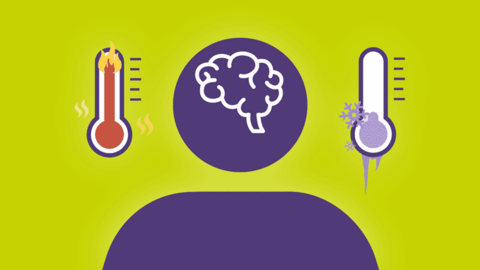
A sudden increase in heat (sometimes leading to sweating) is a typical symptom of menopause. This is caused by the slow reduction in hormone levels during menopause, which irritates the body's temperature control system. The result: hot flushes.

The hormonal transition during menopause often results in problems falling asleep and staying asleep. Night sweats can also have a negative impact on sleep. A persistent lack of sleep can reduce physical performance while increasing emotional stress.

Many women are already familiar with hormone-driven mood swings from the days leading up to their period (PMS). Something similar happens during menopause, and symptoms range from anxiety and tension to low mood.
The Remifemin® product family
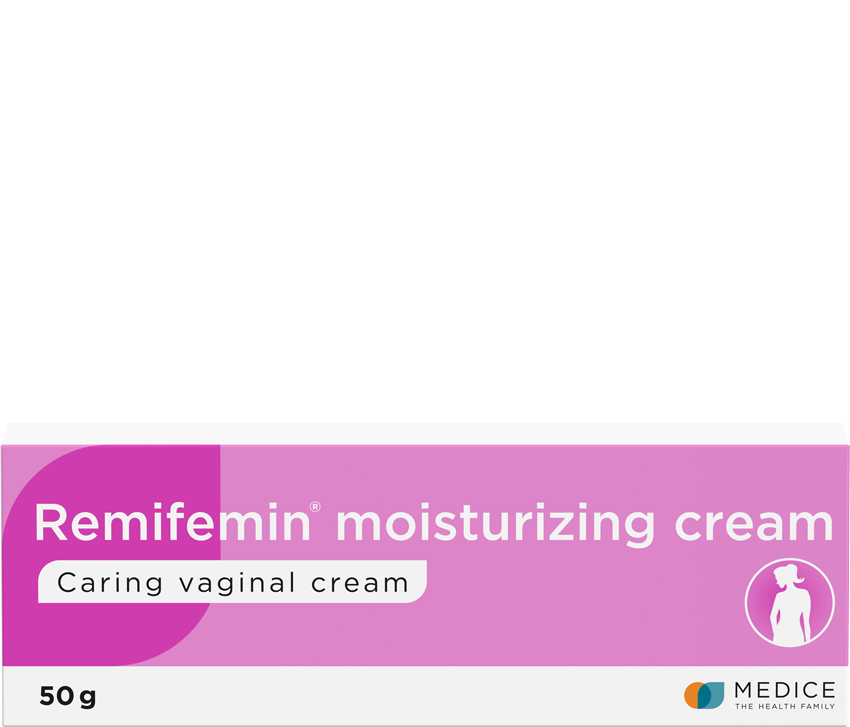
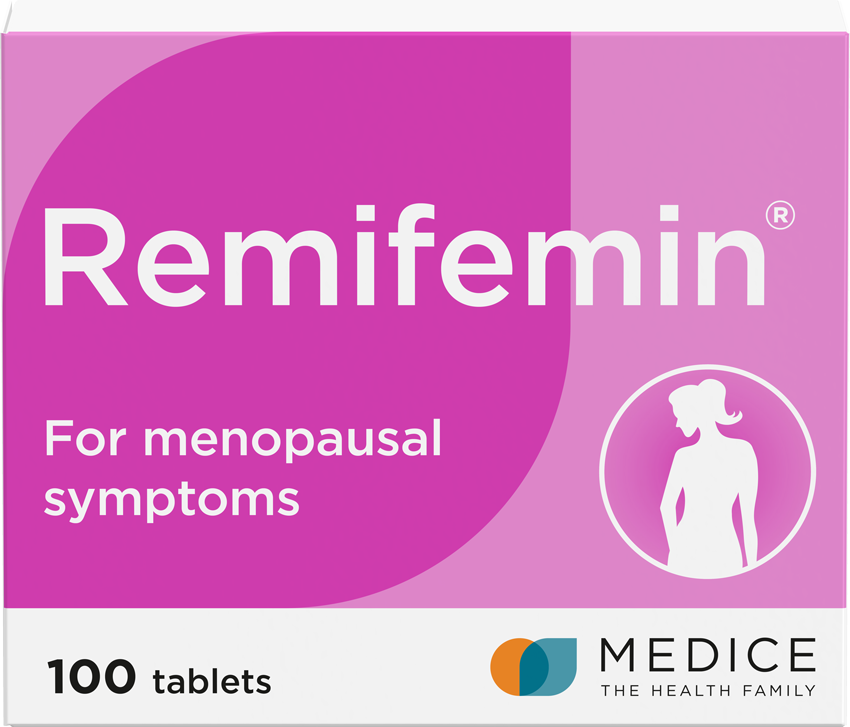
The product family – consisting of Remifemin® plus St. John's wort and Remifemin® – contains effective preparations for symptoms such as hot flushes, sweating and sleep disturbances1,2. Remifemin® Moisturising Cream (medical device) for use in cases of vaginal dryness completes the Remifemin® product portfolio.

St. John’s wort
Moisturising Cream