A symptom of menopause:
Hair loss

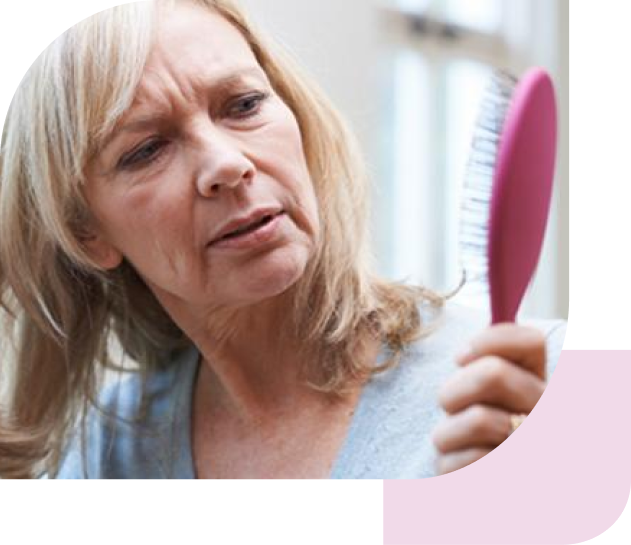
Eine Frau mit blonden Haaren schaut besorgt auf eine pinke Haarbürste

Alongside hot flushes, sleep problems, mood swings etc., hair loss is a common symptom of menopause — and one that many women find particularly upsetting. For many women, thick, flowing hair is a symbol of femininity. When the hair begins to thin, it can feel like a visible reminder of losing that femininity.

Hair loss during menopause is caused, in part, by changing hormones as oestrogen (a female sex hormone) levels drop and levels of the male hormone testosterone become relatively higher. While oestrogen keeps hair beautiful and healthy, the testosterone metabolite (a substance produced during metabolism) dihydrotestosterone and the stress hormone cortisol affect the hair roots. Women who find hair loss particularly challenging (due to the change in their appearance) and whose self-confidence and well-being suffer as a result face a double burden because this emotional stress also increases cortisol levels.

Breaking
the vicious cycle

Menopausal hormone changes vary from woman to woman. Genetic factors also seem to play a role. This means that hair loss does not affect all women in the same way. As the nature and causes of hair loss can vary, they should also be investigated by a doctor. The hair roots often change during menopause, and they may no longer receive enough of the vitamins and minerals they need to stay healthy.

Therefore, maintaining and nourishing the hair roots is a key part of caring for your hair during menopause. Achieving this requires proper nutrition with the right nutrients and vitamins as well as optimal care. In general, taking the right action early or as a preventive step is the most effective way to strengthen the hair roots for menopause.

Plenty of protein and minimal stress

Getting enough amino acids during menopause is essential, as low levels can make hair loss much worse. A balanced diet with enough high-quality protein sources is good for the hair, as proteins are an essential building block for hair growth and keratin — a horn-like substance that forms the hair — is also built from proteins.

Although avoiding stress is easier said than done, it should generally be a priority, particularly during menopause. Your hair will thank you for it too. When you are relaxed in approaching and managing challenges, your body produces less cortisol — a stress hormone, which can have a negative impact on hair roots.

Will the hair loss stop again?

That depends on the type of hair loss. The most common types are hereditary hair loss (androgenetic alopecia), age-related hair loss (which can contribute to the first type) and diffuse hair loss (telogen effluvium).

Diffuse hair loss tends to have the best chances of recovery, with the thinning hair it causes generally expected to grow back. Once the cause of the hair loss (there may be a number of different causes) has been identified and fixed, the diffuse hair loss will stop on its own, although this can take two to three months. The hair will then gradually start to grow again.

For the other two types, there are at least ways to stop the hair loss or tackle it in its early stages. As you would expect, a healthy diet, plenty of exercise and cutting out alcohol and nicotine are always beneficial to the health of your hair.

When detected early, hereditary hair loss can be treated and stopped using medication, and it is possible that some of the hair will grow back.

Hormonal changes during menopause can be a contributing factor in age-related hair loss. Products specifically designed for age-related hair loss may be of help in this case. Nourishing and strengthening the hair, particularly the hair roots, is also crucial during this phase of life.

Practical tips for healthy hair during menopause

1

Rinse with apple cider vinegar

Mix two tablespoons of apple cider vinegar with one litre of water, and apply to your hair and scalp. This rinse will activate both the hair and hair roots. Leave it to work for 10-15 minutes and then rinse it out using cold water.
2

Brush gently for a relaxed scalp

As well as giving hair a beautiful shine, brushing gently and thoroughly without pulling at the hair also has a relaxing effect on both you and your scalp. It may be hard to believe, but tension in the scalp (often the result of tension in the neck muscles) also puts stress on the hair. Gentle brushing stimulates blood flow to the scalp.
3

Use nettle treatment

Containing important nutrients, such as potassium, calcium, iron and vitamins B1, B5, C and E, nettles are one of the best home remedies, particularly during menopause. Nettle treatment should be applied several times a week in the form of a hair tonic or tea rinse.
4

Maintain a healthy diet

Thick, beautiful hair is also dependent on a healthy diet. To combat hair loss during menopause, you should ensure that your diet contains plenty of fruit and vegetables with a high vitamin C content as well as protein and iron-rich foods like fish or pulses, as the nutrients you get from these foods help strengthen the hair structure over the long term.

5

Opt for a soothing head massage

Although it won't treat hair loss caused by hormonal changes, a soothing head massage stimulates blood flow and promotes relaxation.
6

Choose the right hair care products

When choosing your shampoo or any other hair care products, make sure they contain no sulphates, silicones or parabens. High-quality ingredients or natural products are better alternatives.
7

Keep things gentle and natural

If you are experiencing hair loss during menopause, pulling on your hair (e.g., when combing out knots) as well as frequent dyeing or bleaching with aggressive products should be avoided at all costs. It is better to keep your natural colour and perhaps switch to a slightly shorter hairstyle now and then, as this can leave your hair looking fuller.

Additional information

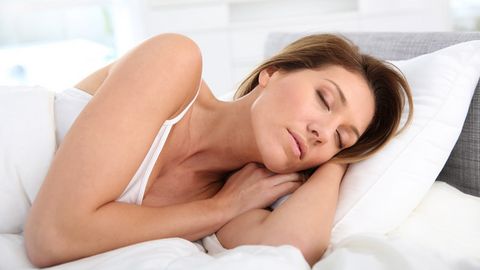
Nahaufnahme einer Frau die im Bett liegt und schläft
The hormonal transition during menopause often results in problems falling asleep and staying asleep. Night sweats can also have a negative impact on sleep. A persistent lack of sleep can reduce physical performance while increasing emotional stress.

Sleep better
Eine Frau stützt sich mit ihrer Hand den Kopf als ein Zeichen von Stimmungsschwankungen
Many women are already familiar with hormone-driven mood swings from the days leading up to their period (PMS). Something similar happens during menopause, and symptoms range from anxiety and tension to low mood.
Find balance and positivity
Eine Frau hält ihren Finger vor dem Mund und zeigt damit
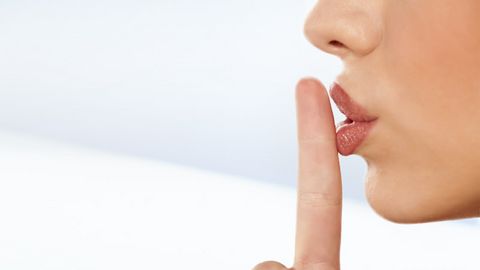
As oestrogen production decreases during menopause, blood supply to the vaginal mucosa (vaginal lining) is also reduced. Production of vaginal fluid also decreases at the same time. Both of these factors can cause itching, burning and vaginal dryness.
Non-hormonal relief

The Remifemin® product family

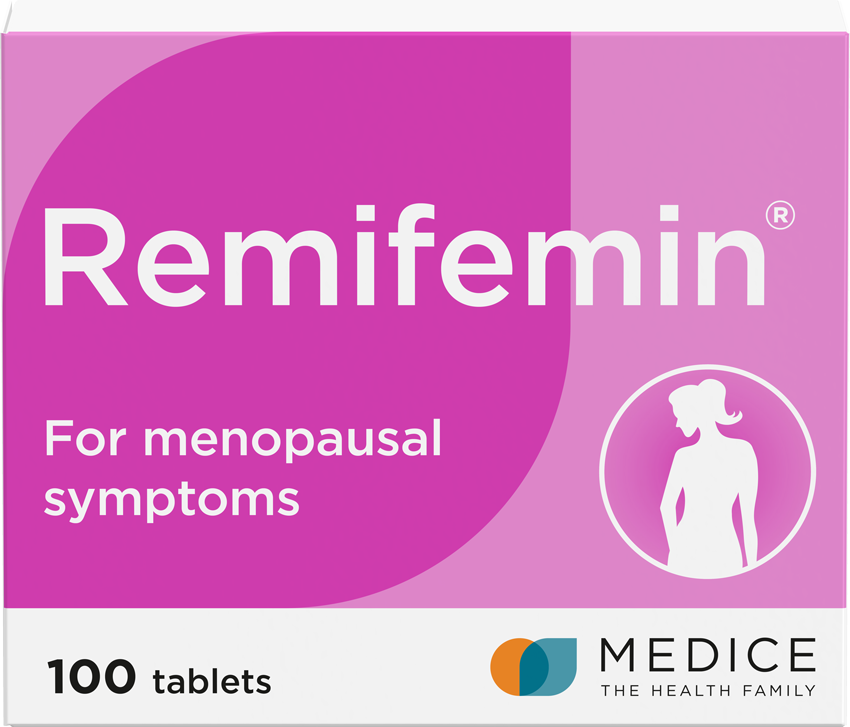
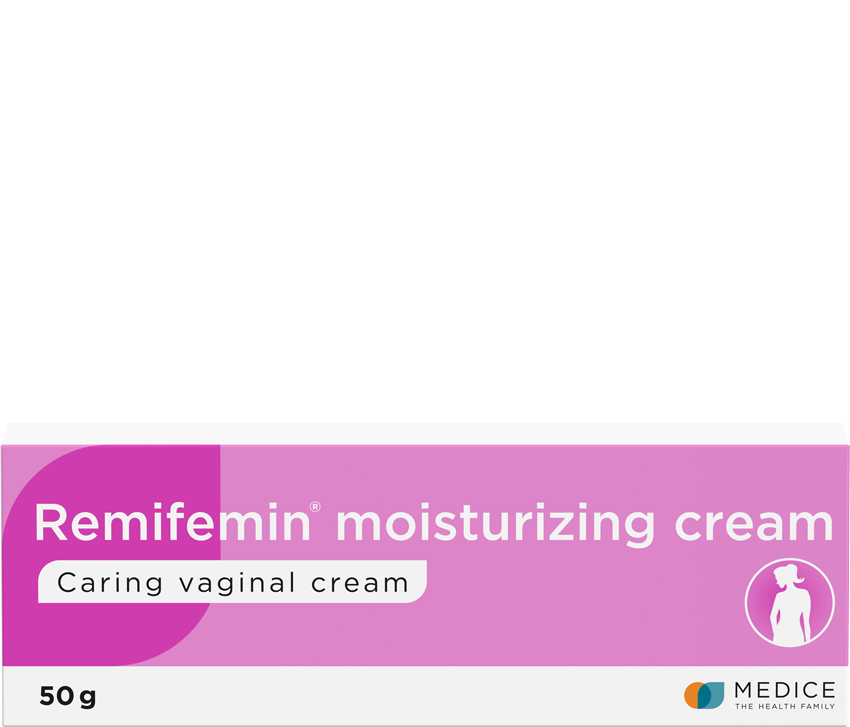
The product family – consisting of Remifemin® plus St. John's wort and Remifemin® – contains effective preparations for symptoms such as hot flushes, sweating and sleep disturbances1,2. Remifemin® Moisturising Cream (medical device) for use in cases of vaginal dryness completes the Remifemin® product portfolio.

Which Remifemin® is right for me?
Remifemin plus St. John's wort
Remifemin® plus
St. John’s wort
Remifemin
Remifemin®
Remifemin moisturizing cream
Remifemin®
Moisturising Cream