A calcium-rich diet for prevention: Osteoporosis

As hormone production levels drop, the body may make up for low calcium levels by taking calcium from the bones. Combined with the natural reduction in bone density that comes with ageing, this can increase the risk of osteoporosis — a condition where bones become weaker and less dense.
Extra support for strong bones:
Calcium and vitamin D3
According to experts, women need more calcium than before menopause to give their bones targeted support and help prevent osteoporosis. During and after menopause, women should get about 1,500 mg calcium per day. In addition to dairy products such as milk and cheese, good sources of calcium include green vegetables, nuts, mushrooms and many types of fruit (our table shows you how much calcium is in different types of food).
It is also important to know that your body needs vitamin D3 to help it absorb and use the calcium you consume. Our bodies need a certain amount of sunlight to produce this vitamin or they need to get enough vitamin D3 from the food we eat. If your body isn't getting enough, taking a dietary supplement, such as calcium with vitamin D3, may be a sensible alternative.
A comparison of calcium levels in various foods
(average values shown)
| Dairy products | Calcium | |
|---|---|---|
| 100 ml | Buttermilk | 120 mg |
| 100 g | Soured milk | 120 mg |
| 100 g | Fruit soured milk | 100 mg |
| 100 g | Fruit yoghurt | 100 mg |
| 100 g | Yoghurt | 120 mg |
| 100 ml | Kefir | 120 mg |
| 100 g | Skimmed milk powder | 1.200 mg |
| 100 ml | Milk (1.5% fat) | 118 mg |
| 100 g | Quark (low fat) | 100 mg |
| 100 g | Whipped cream | 75 mg |
| 1oo g | Milk chocolate | 250 mg |
| Cheese | Calcium | |
|---|---|---|
| 100 g | Alpine cheese (50% FDM) | 1.000 mg |
| 100 g | Brie (50% FDM) | 400 mg |
| 100 g | Butterkäse (60% FDM) | 575 mg |
| 100 g | Camembert (30% FDM) | 575 mg |
| 100 g | Cheshire cheese (50% FDM) | 800 mg |
| 100 g | Edam (30% FDM) | 800 mg |
| 100 g | Emmental (45% FDM) | 1.000 mg |
| 100 g | Gouda (30% FDM) | 1.000 mg |
| 100 g | Limburger (40% FDM) | 350 mg |
| 100 g | Parmesan | 1.335 mg |
| 100 g | Processed cheese | 575 mg |
| 100 g | Tilsit cheese (30% FDM) | 800 mg |
| Nuts and fruit | Calcium | |
|---|---|---|
| 100 g | Oranges | 50 mg |
| 100 g | Strawberries | 25 mg |
| 100 g | Dried figs | 190 mg |
| 100 g | Hazelnuts | 225 mg |
| 100 g | Raspberries | 31 mg |
| 100 g | Kiwi | 38 mg |
| 100 g | Almonds | 252 mg |
| 100 g | Poppy seeds | 252 mg |
| 100 g | Sesame seeds | 740 mg |
| 100 g | Walnuts | 90 mg |
| Vegetables | Calcium | |
|---|---|---|
| 100 g | Broccoli | 113 mg |
| 100 g | Mushrooms | 200 mg |
| 100 g | Fennel | 109 mg |
| 100 g | Green beans | 56 mg |
| 100 g | Cooked kale | 160 mg |
| 100 g | Dried chickpeas | 110 mg |
| 100 g | Raw kohlrabi | 67 mg |
| 100 g | Carrots | 33 mg |
| 100 g | Leeks | 87 mg |
| 100 g | Sauerkraut | 50 mg |
| 100 g | Celery | 80 mg |
| 100 g | White beans | 105 mg |
| 100 g | Cooked Savoy cabbage | 42 mg |
| Bread | Calcium | |
| 100 g | Pumpernickel | 22 mg |
| 100 g | Wholegrain rye bread | 22 mg |
| 100 g | Wholemeal sliced bread | 35 mg |
| Drinks | Calcium | |
|---|---|---|
| 200 ml | Apple juice | 22 mg |
| 200 ml | Cola drinks (average) | 12 mg |
| 200 ml | Fruit-flavoured soft drinks (average) | 14 mg |
| 200 ml | Grapefruit juice | 40 mg |
| 200 ml | Raspberry juice | 54 mg |
| 200 ml | Redcurrant juice | 44 mg |
| 200 ml | Blackcurrant juice | 50 mg |
| 200 ml | Carrot juice | 50 mg |
| 200 ml | Orange juice | 58 mg |
| 200 ml | Sauerkraut juice | 108 mg |
| 200 ml | Tomato juice | 48 mg |
The Remifemin® product family
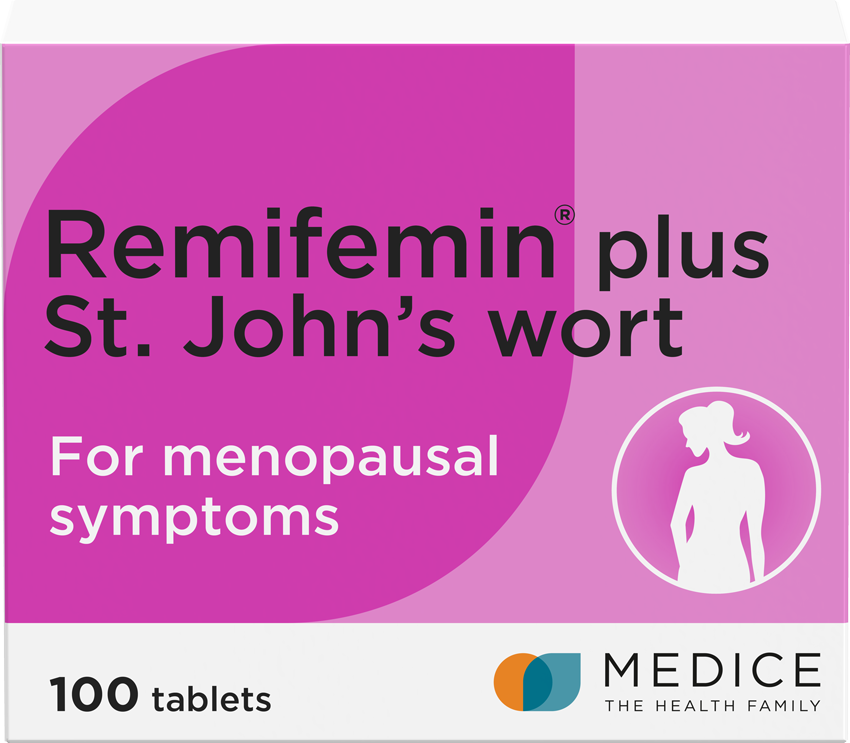
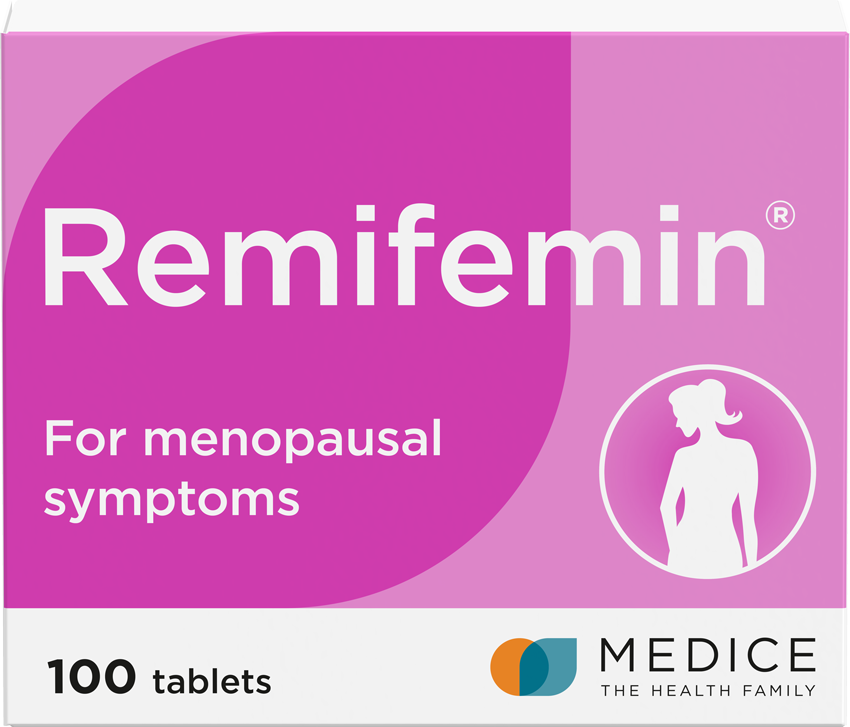
The product family – consisting of Remifemin® plus St. John's wort and Remifemin® – contains effective preparations for symptoms such as hot flushes, sweating and sleep disturbances1,2. Remifemin® Moisturising Cream (medical device) for use in cases of vaginal dryness completes the Remifemin® product portfolio.

St. John’s wort
Moisturising Cream