During menopause:
Frequent
cystitis?

Eine Frau und ein Arzt unterhalten sich

Why is cystitis (bladder infection) more common during menopause?

Cystitis can affect anyone, regardless of their age. The risk of getting cystitis increases during menopause. As oestrogen levels drop, the sensitive tissue in the genital area becomes dryer and thinner. This affects the lining of the vagina, urethra and inner wall of the bladder. The pH of the vagina also changes and becomes less acidic. This makes it much easier for bacteria to reach the urethra and then the bladder, where they can settle and multiply. Even women who have never had cystitis before may experience it during menopause.

Helpful preventive measures

  • Drink plenty of fluids to flush out bacteria
  • Choose the right clothing (natural materials) to help prevent bacteria from growing
  • Go to the toilet right away if you suddenly feel the need to pee
  • Do pelvic floor exercises
  • Practise good toilet hygiene

A few rules to follow in your everyday life:

Going to the toilet as soon as possible when you feel the urge also reduces the risk of infection. If urine stays in the bladder too long, any bacteria in the bladder will not be flushed out and may multiply.

Another tip is to practise good toilet hygiene. Always wipe from front to back after using the toilet. This helps prevent unwanted bacteria from the bowel from spreading.

Keep the genital area clean but don't overdo it. Using strong soaps or cleansers with the wrong pH can upset the natural balance of bacteria in the genital area, making it easier for bacteria to get into the bladder. Avoid using genital sprays altogether. Thongs and underwear made mostly from synthetic fabrics can also increase the risk of infection, as they can make it easier for bacteria to travel to the urinary tract. During sex, bacteria from the bowel can be pushed into the urinary tract. Even if it seems a little unromantic, going to the toilet after sex will quickly flush out any bacteria that may be present.

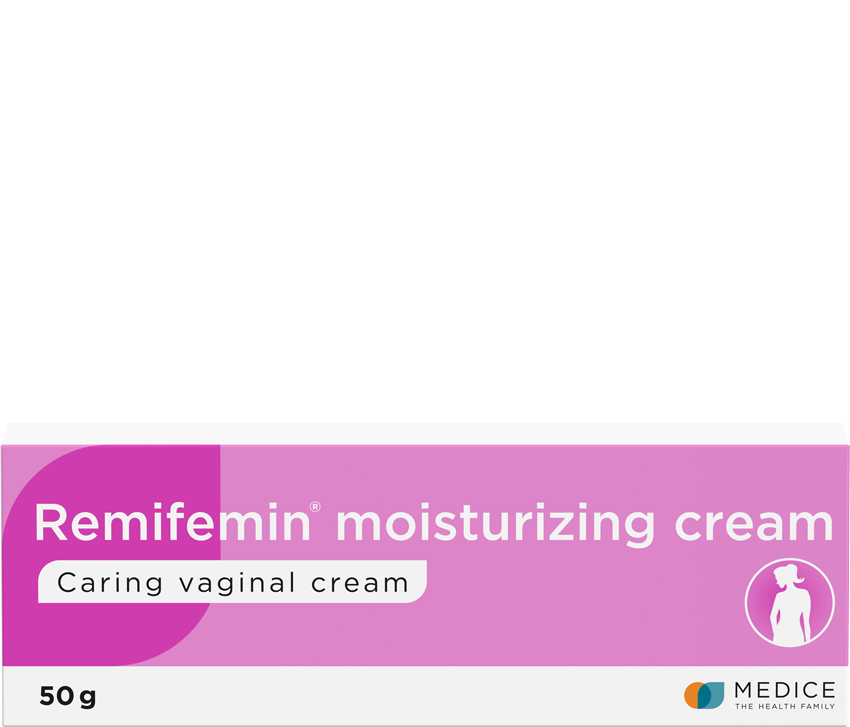
Hormone fluctuations can affect the vaginal lining and increase the risk of cystitis. Using a nourishing moisturising cream for the genital area with witch hazel and lactic acid can help keep the area healthy and protected. This helps stabilise the vaginal pH, making it harder for the bacteria to cross this barrier and enter the bladder. In general, a healthy lifestyle and a strong immune system can help prevent cystitis or aid faster recovery.

You can find more information about menopause here.

Or in this guide.

Cystitis, overactive bladder or recurrent urinary tract infection?

Urinary tract conditions do not always require antibiotics. Antibiotics put strain on the body but can also become less effective if they are taken too often. This is why the Cystinol rang
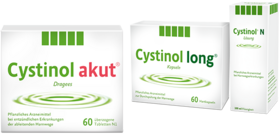
e was developed, with three products for three conditions: acute cystitis, overactive bladder and recurrent urinary tract infections.

Visit cystinol.com for information about urinary tract conditions.

The Remifemin® product family

The product family – consisting of Remifemin® plus St. John's wort and Remifemin® – contains effective preparations for symptoms such as hot flushes, sweating and sleep disturbances1,2. Remifemin® Moisturising Cream (medical device) for use in cases of vaginal dryness completes the Remifemin® product portfolio.


Which Remifemin® is right for me?
Remifemin plus St. John's wort
Remifemin® plus
St. John’s wort
Remifemin
Remifemin®
Remifemin moisturizing cream
Remifemin®
Moisturising Cream