Search


 Menopause
 Instagram
Menopause:
A completely natural
phase of life.


During menopause, the ovaries produce fewer and fewer female sex hormones. This can result in typical menopausal symptoms, such as hot flushes, mood swings and vaginal dryness.
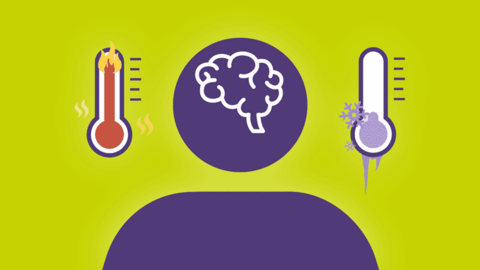
The hormonal transition during menopause results in typical symptoms, such as sweating, trouble falling asleep and staying asleep, and mood swings. These effects may be accompanied by a range of other symptoms, such as vaginal dryness.
Opinions on the use of hormone therapy during menopause are now divided. For this reason, hormone therapy is avoided whenever possible. Gentle, non-hormonal1 menopause products such as the Remifemin® product range offer a well-tolerated and effective alternative1.
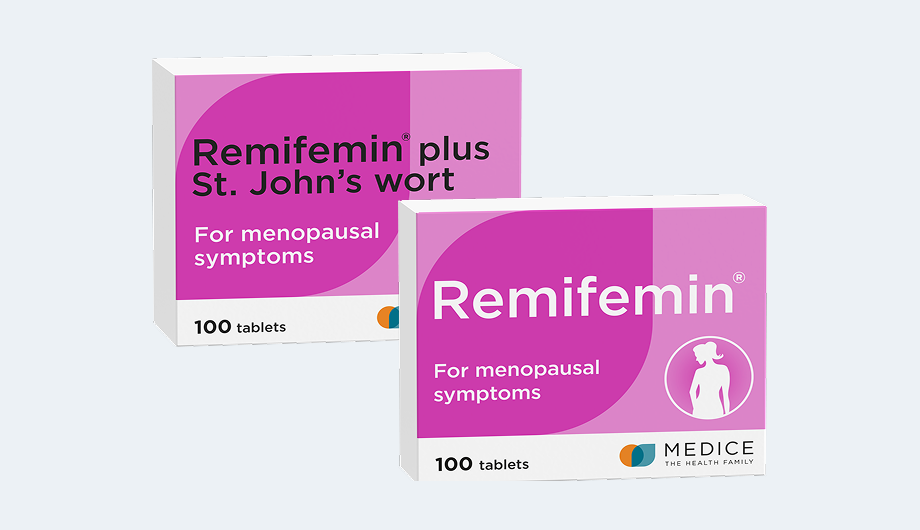
Find out whether Remifemin® plus St. John's wort or Remifemin® is most suitable based on the type of symptoms you have and how severe they are. Their effect based on the iCR special extract from black cohosh is scientifically proven, non-hormonal and safe1.

Menopause is a time of change: Hormone levels fluctuate significantly, often causing physical symptoms and a reduced sex drive. However, this doesn't mean that sensuality and your sex life have to suffer — in fact, they may even become more fulfilling.

It is not always possible to resolve menopausal symptoms through lifestyle changes alone. However, there are lots of simple measures you can take in your everyday life to make your menopause journey easier. It's easy with our 5-point plan.
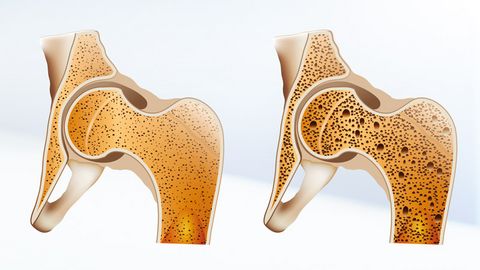
The risk of osteoporosis increases for menopausal women, as the hormone oestrogen affects bone mass. For this reason, a bone-healthy diet is particularly important. Find out more and take a look at our food table for osteoporosis.