The most typical symptom of menopause:
Hot flushes
Hot flushes during menopause
Hot flushes during menopause are a common occurrence; they affect many women and are often accompanied by unpleasant symptoms. These sudden feelings of heat are part of a complex physiological process of hormonal change and they may have a negative impact on your daily life. Although menopause is a natural process, women can and should take measures to relieve the symptoms that it causes. These symptoms can affect your well-being and have a lasting effect on your energy and performance.

What are the symptoms of a hot flush?
Menopause is a natural phase in a woman's life characterised by hormonal changes. Various symptoms, including hot flushes, are common during this time. This sudden feeling of heat can be unpleasant and can negatively affect your quality of life. Hot flushes during menopause often have the following features:
- Hot flushes often start on the face or head and spread in waves across the chest and upper body.
- As the body reacts to the heat, the skin gets red and you may feel a strong rush of blood.
- To regulate its temperature, the body produces sweat — often leading to heavy sweating followed by chills.
- Hot flushes with heavy sweating often appear first at night and can disrupt sleep.
- They may be accompanied by dizziness and sometimes by heart palpitations, which are mainly caused by menopause.
- A hot flush usually lasts around three to six minutes before it starts to ease again.
Hot flushes during menopause vary in how severe they are and how often they happen. If your symptoms are particularly severe, you should seek your doctor's support to help ease them.
What causes hot flushes during menopause?
Hot flushes during menopause are caused by hormonal changes. Reduced oestrogen levels affect the body's temperature control system and cause sudden feelings of heat, which are accompanied by sweating and sometimes heart palpitations. Triggers including stress, spicy food or alcohol can make these symptoms worse. The main causes of hot flushes during menopause include:
- Changing hormone levels
Reducing levels of oestrogen can disrupt the body's temperature control system and trigger hot flushes. Oestrogen plays a key role in regulating body temperature.
- Lifestyle and emotional factors
Stress as well as certain foods and drinks, such as caffeine or alcohol, an unhealthy diet and insufficient physical activity can make hot flushes worse.
When do hot flushes start and when do they stop?
Hot flushes are a typical symptom of menopause. They start in a woman's late 40s or early 50s and can last several years. When they start and how often they happen will vary from person to person. The symptoms may be particularly severe in the time between premenopause and perimenopause.
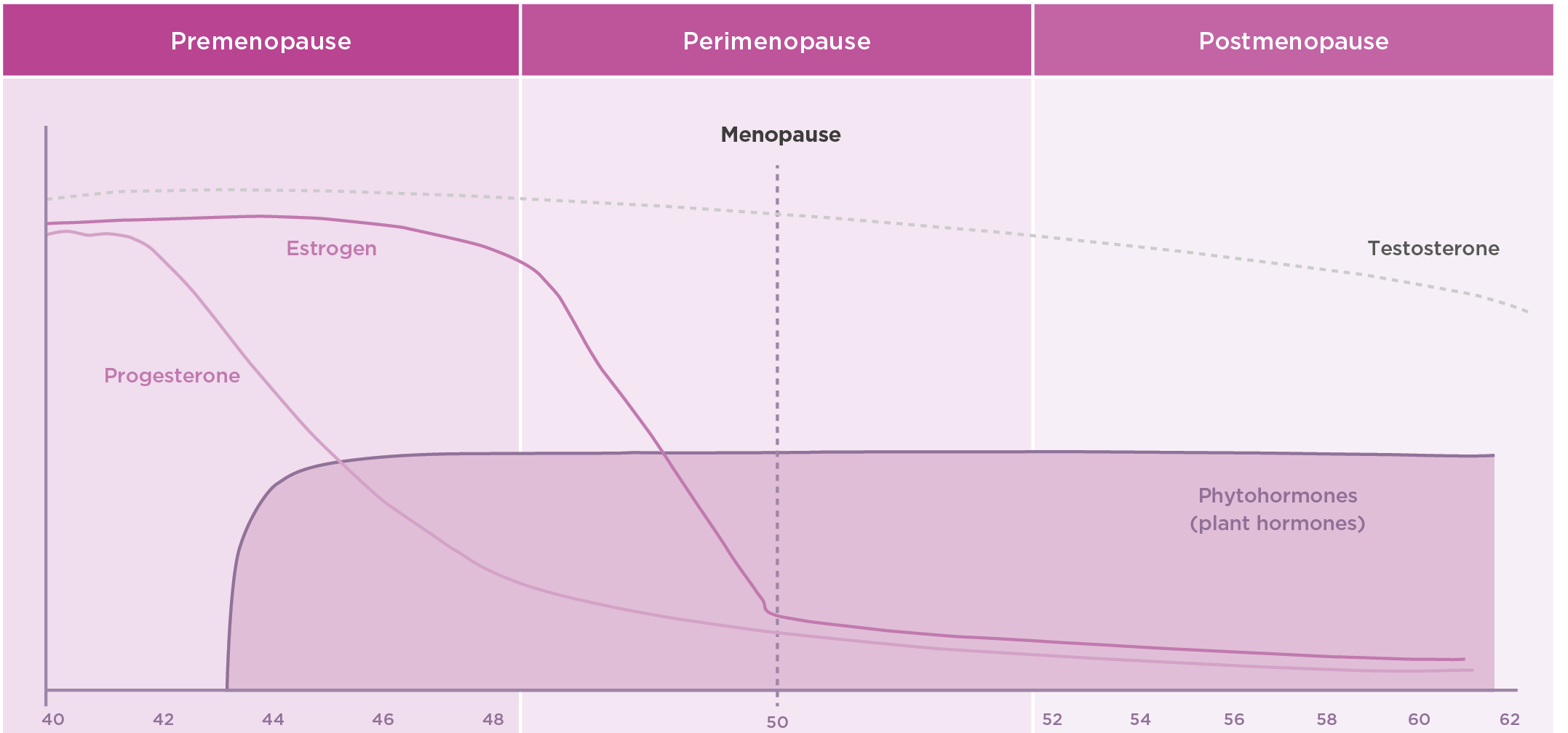
Premenopause: During premenopause, hot flushes may occur, but they may be less frequent or intense than in later phases.
Perimenopause: Hot flushes are usually more frequent during this phase and may vary in their intensity.
Postmenopause: Hot flushes may still happen during this phase, but they slowly become less frequent and eventually stop as the body's hormone levels stabilise.

74%
of women experience hot flushes after menopause
- Black cohosh (Cimicifuga racemosa): helps to reduce the frequency and intensity of hot flushes.
- Red clover: contains isoflavones, which can act as phytoestrogens (plant compounds that mimic oestrogen). These compounds can help to increase or stabilise oestrogen levels in the body to relieve symptoms.
- Chasteberry: often used to relieve hot flushes. It contains compounds that help to balance hormone levels.
How to cool yourself down
Hot flushes can be a real challenge during menopause. However, using specific cooling techniques can often help to reduce their intensity. Here are some practical tips that can help you to manage hot flushes more effectively during this stage of your life:
- Foods such as soy products (tofu, soy milk), flaxseed, sesame seeds, and whole grains can help balance estrogen levels
- Fruits and vegetables with a high water content, such as cucumbers, watermelon, oranges, and tomatoes, can help keep the body hydrated
- Foods rich in omega-3 fatty acids, such as fatty fish (salmon, mackerel) and walnuts, can reduce inflammation in the body and have a positive effect on menopausal symptoms
- Lightweight, breathable bedding made from natural fibers such as cotton or linen can help wick away body heat and improve sleep comfort
- Keeping the room cool by using fans, air conditioners, or opening windows can help reduce nighttime hot flashes
- Relaxation techniques such as yoga, meditation, or breathing exercises before bedtime can help reduce stress and promote restful sleep
- Herbal teas such as peppermint or sage can have a cooling effect and help alleviate symptoms
- While hot drinks can usually trigger hot flashes, some women may find that drinking warm beverages such as herbal tea still has a soothing effect on the body and thus improves their well-being
Additional information
Find out whether Remifemin® plus St. John's wort or Remifemin® is most suitable based on the type of symptoms you have and how severe they are. Their effect based on the iCR special extract from black cohosh is scientifically proven, non-hormonal and safe1.

Many questions about menopause come up repeatedly during Remifemin® consultations. We have answered some of the most common questions for you here. If you don't find an answer to your question, please ask our team of experts.