When menopause puts you in a bad mood
Mood swings

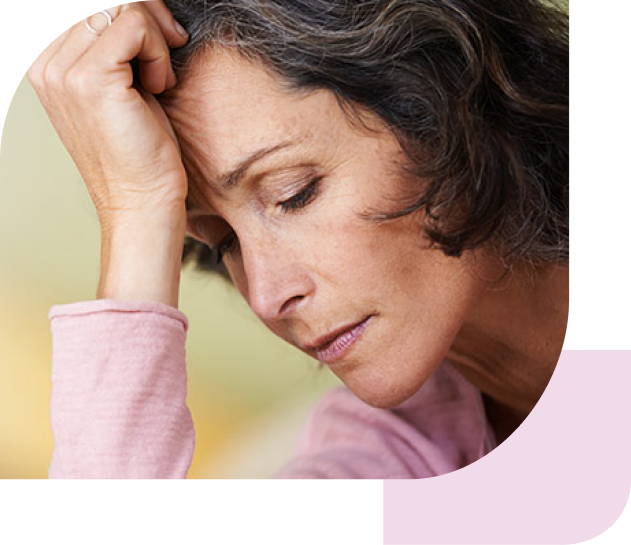
Eine Frau stützt sich mit ihrer Hand den Kopf als ein Zeichen von Stimmungsschwankungen

When mood swings happen, we can switch very quickly between feeling happy and sad. Many women experience hormone-related mood changes during menopause.

Many women are already familiar with mood swings from the days leading up to their period (PMS). Something similar happens during menopause when the body is producing fewer hormones. Even women who have always been able to keep their cool can find themselves struggling to understand why they are so upset over something minor.


The reduction in hormone levels can affect women differently. For example, mood swings may result in:

  • Restlessness
  • Anxiety
  • Irritability
  • General dissatisfaction
  • Sadness
  • Low mood

Feeling irritable during menopause

Tips for managing mood swings

1

A relaxing bath can help to relieve stress.

A warm bath creates a sense of physical well-being, relaxes your muscles, calms your nerves and helps restore emotional balance. The ideal temperature is a little over 37 degrees, as this is roughly the same as your body temperature and will be most effective for muscle relaxation. A temperature of over 39 degrees should be avoided.

2

Talk, talk, talk...

Many people still aren't comfortable talking about menopause — this can leave you feeling like you are on your own with no support. Find someone to talk to — perhaps your best friend or a family member. Plan an evening together with a nice meal and a cosy atmosphere. Sharing your experiences can help make day-to-day life easier.

3

Exhausted but happy!

Whether it's to motivate you for the day ahead or to de-stress at the end of the day, practising these short, easy strength exercises can have a really positive effect — just ten minutes of this high-intensity training is enough to see results:

Warm up for three minutes (rope skipping, jumping jacks or similar)

Then some simple exercises:

Sit-ups, press-ups, squats

The trick is to do as many reps as you think you can and then do one more final rep.

Additional information

Ein Arzt und eine Patientin sprechen miteinander
Hormone therapy can have health risks. Nowadays, hormone therapy is only recommended for very severe symptoms and should be used at the lowest possible dose for the shortest possible time. Deciding whether hormone therapy is suitable requires careful consideration.
Hormone therapy

The Remifemin® product family

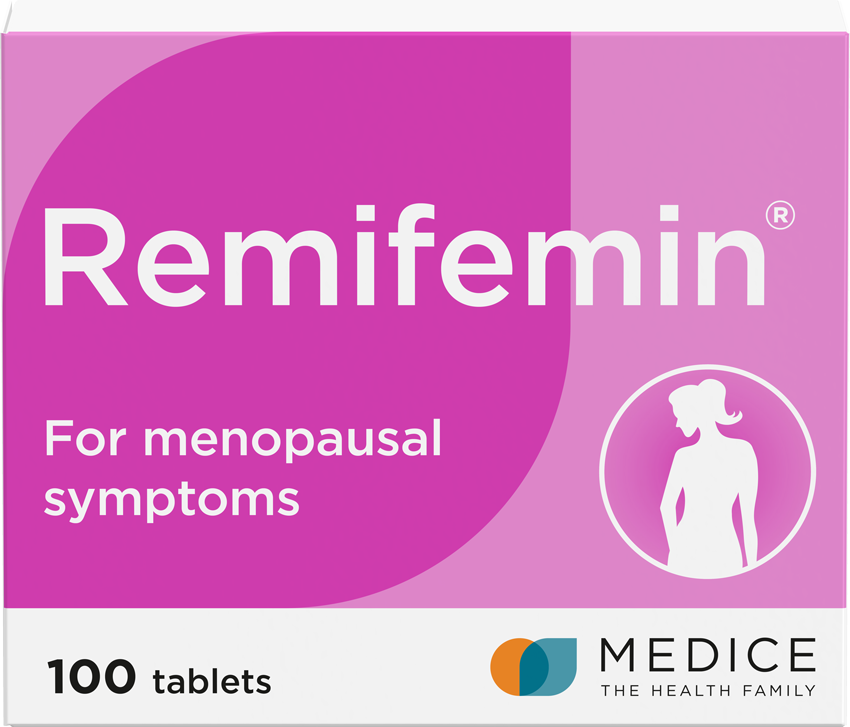
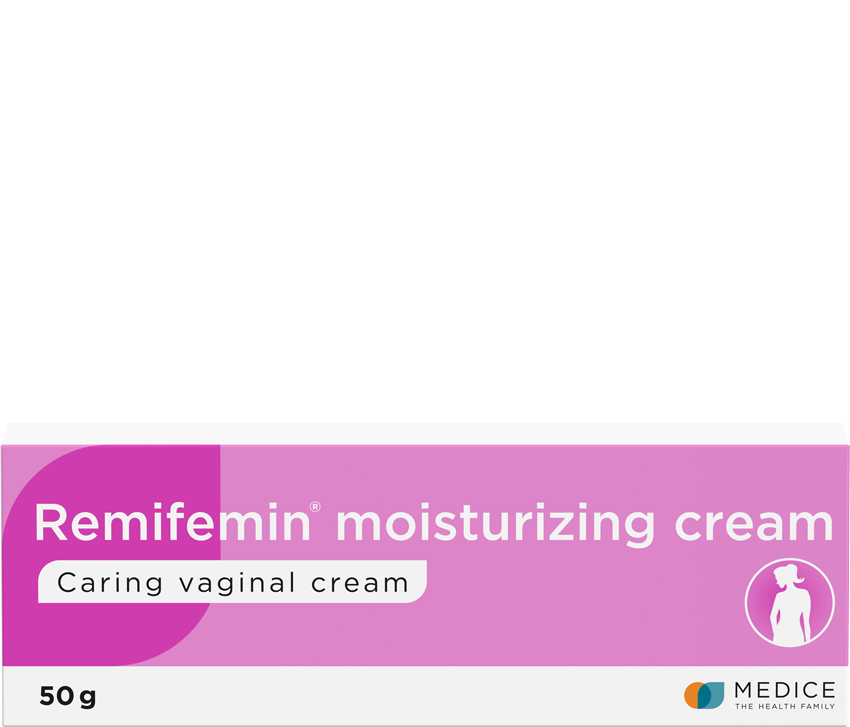
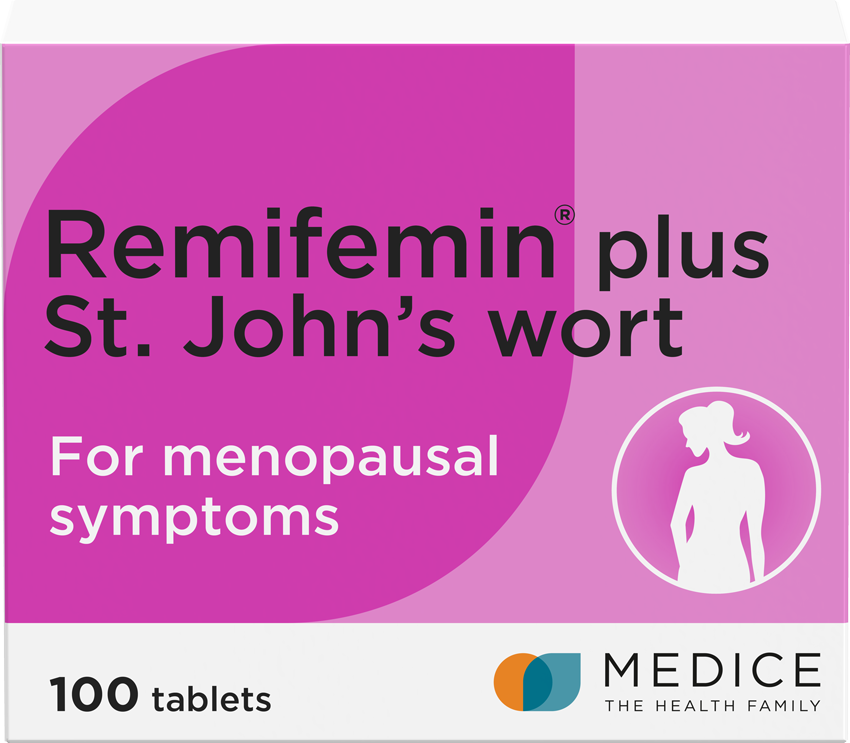
The product family – consisting of Remifemin® plus St. John's wort and Remifemin® – contains effective preparations for symptoms such as hot flushes, sweating and sleep disturbances1,2. Remifemin® Moisturising Cream (medical device) for use in cases of vaginal dryness completes the Remifemin® product portfolio.
Which Remifemin® is right for me?
Remifemin plus St. John's wort
Remifemin® plus
St. John’s wort
Remifemin
Remifemin®
Remifemin moisturizing cream
Remifemin®
Moisturising Cream