When menopause leaves you tossing and turning:
Sleep problems
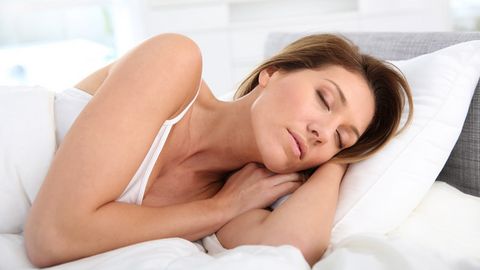
Nahaufnahme einer Frau die im Bett liegt und schläft

Sleep problems are another common symptom of menopause, which often keeps women in their 40s and 50s awake at night.

Some women experience problems falling asleep and staying asleep as a result of hormonal imbalances. Over time, this can have a negative effect on physical performance and emotional stability. It can also make women more susceptible to infections.

Sleep disturbances

Sleep problems during menopause, such as waking frequently at night and struggling to fall asleep, are caused by changing hormone levels. These changing hormone levels also affect chemical messengers in the brain that help to control our sleep cycles.

Night sweats

However, sleep problems are also often directly related to hot flushes — another typical symptom of menopause. These lead to night sweats followed by chills and make it very hard to get a good night's sleep.

Racing thoughts

Some women find it difficult to switch off in this new phase of their life. They become increasingly aware that their body and their role in society are changing. This can lead to mood swings and anxiety, and therefore also to sleep problems.

Navigating menopause when you're not sleeping well:

Four practical tips for sleep problems

1

Eat your last meal of the day at least three hours before you go to bed.

2

Give your feet and lower legs a firm massage for a few minutes one hour before you go to sleep.

3

Drink a glass of warm milk with honey just before you go to bed.

4

Autogenic training, progressive muscle relaxation, yoga and various forms of meditation promote relaxation and can help to combat sleep problems during menopause.

Additional information

Nahaufnahme einer Frau die im Bett liegt und schläft
A sudden increase in heat (sometimes leading to sweating) is a typical symptom of menopause. This is caused by the slow reduction in hormone levels during menopause, which irritates the body's temperature control system. The result: hot flushes.

Helpful tips
Eine Frau stützt sich mit ihrer Hand den Kopf als ein Zeichen von Stimmungsschwankungen
Many women are already familiar with hormone-driven mood swings from the days leading up to their period (PMS). Something similar happens during menopause, and symptoms range from anxiety and tension to low mood.

Find balance and positivity
Eine Frau hält ihren Finger vor dem Mund und zeigt damit
As oestrogen production decreases during menopause, blood supply to the vaginal mucosa (vaginal lining) is also reduced. Production of vaginal fluid also decreases at the same time. Both of these factors can cause itching, burning and vaginal dryness.
Non-hormonal relief

The Remifemin® product family

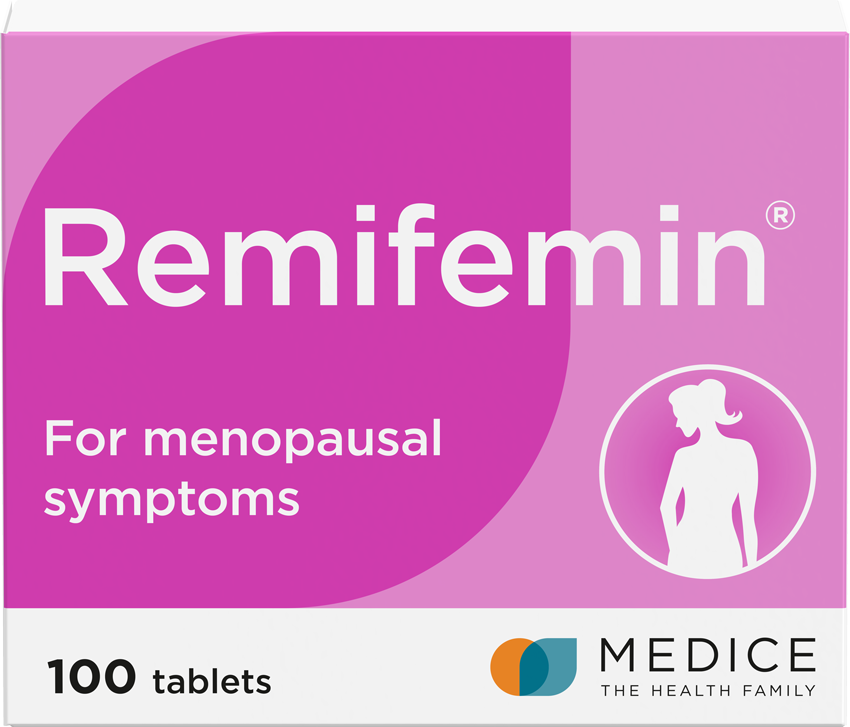
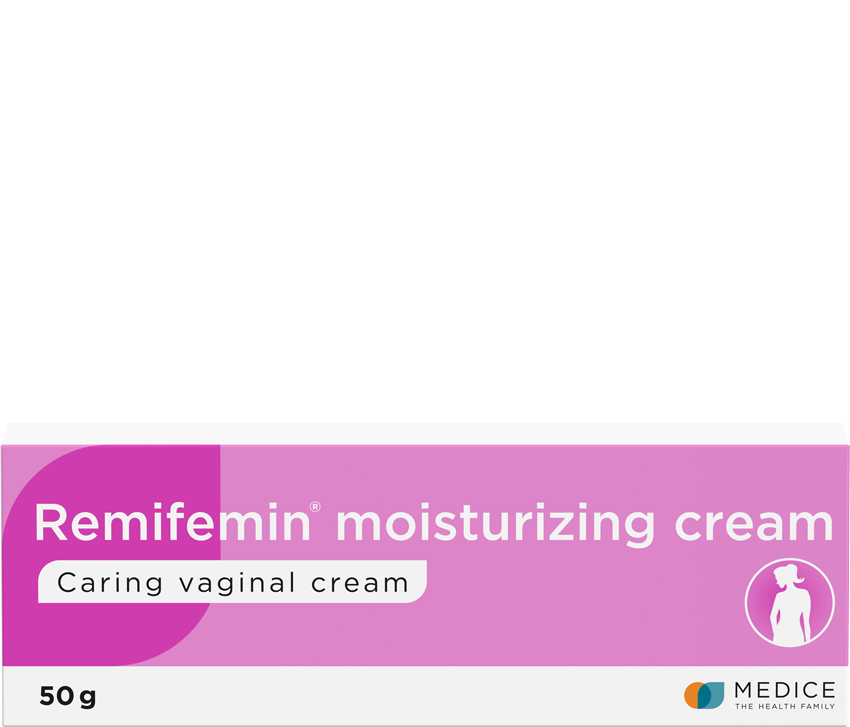
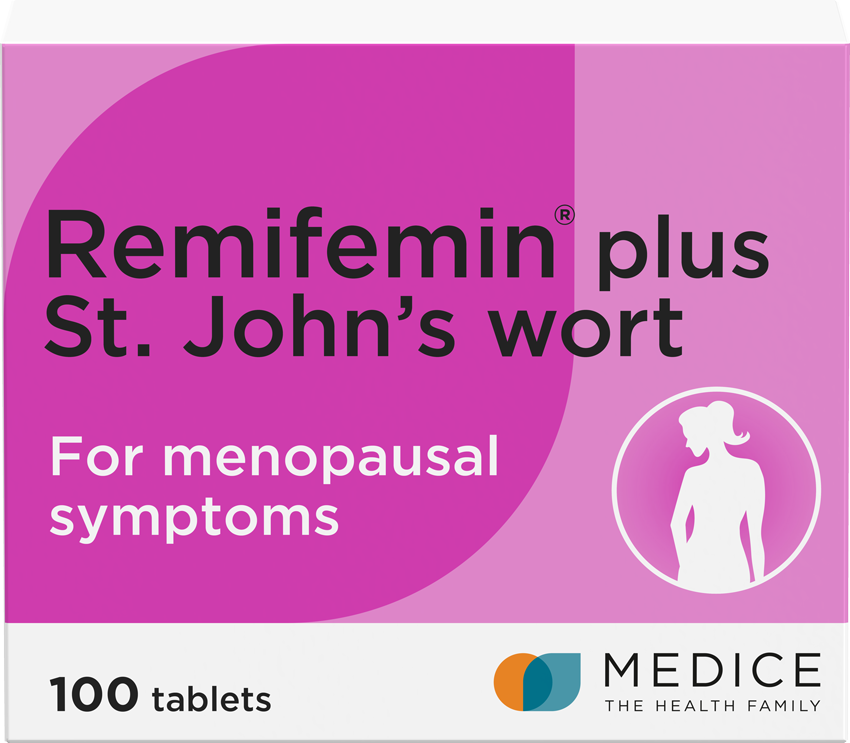
The product family – consisting of Remifemin® plus St. John's wort and Remifemin® – contains effective preparations for symptoms such as hot flushes, sweating and sleep disturbances1,2. Remifemin® Moisturising Cream (medical device) for use in cases of vaginal dryness completes the Remifemin® product portfolio.

Which Remifemin® is right for me?
Remifemin plus St. John's wort
Remifemin® plus
St. John’s wort
Remifemin
Remifemin®
Remifemin moisturizing cream
Remifemin®
Moisturising Cream