
 Search


 FAQ
FAQMenopause:
FAQ

Menopause is a gradual process — it doesn't start on one specific day. The changes start slowly with the reduction of hormone levels and are almost unnoticeable at first. This happens between 40 and 50 years of age depending on a number of factors (body weight, lifestyle, genetics etc.). An irregular cycle is the first sign that menopause is approaching (i.e. premenopause). The time between periods may decrease (less than 25 days) or increase (more than 35 days). During premenopause, some women also experience bleeding between periods or spotting. In premenopause, you may notice physical or emotional changes that signal the approach of menopause. In addition to hot flushes and mood swings, you may experience headaches, tender breasts, increased water retention and dizziness.
How long menopause lasts can vary just as much as when it starts. The time from the first appearance of symptoms to the disappearance of the symptoms may be just a few years but can be as much as 10–12 years. On average, menopause lasts 5–7 years.
Pregnancy is possible until your periods stop; after this point, the ovaries stop releasing eggs. Before menopause (going back 12 months), pregnancy is still possible, even if periods have become very infrequent. Contraception is still required until after your last period. If periods have become very infrequent with long breaks between them, it is often hard to know whether your "last period" was actually your last. If you have not had a period for over a year (postmenopause), a pregnancy is unlikely.
Menopause symptoms vary a lot from person to person — the type of symptoms as well as when they start, how long they last and how severe they are can be very different for each woman. Hot flushes and sweating, poor circulation, headaches, weight gain and sleep problems can also start before your last period but may not disappear until some years later. In contrast, the reduction in size of the pelvic organs only happens a few years after menopause and is a gradual process. However, only a few women develop bladder weakness. Alongside these physical symptoms, you may also experience emotional or stress-related symptoms. These may be made worse by negative emotional reactions to the symptoms and possible changes in your social life or support network. Low mood, feeling sad for no reason, irritability, anxiety, lack of motivation, reduced sex drive and increased tiredness are the most common of these symptoms.
During menopause, many women notice weight changes that they haven't experienced before. There are two reasons for this: The first is that the body's metabolism changes with age. The second is that energy is no longer needed to maintain the menstrual cycle. Unless there is a change in diet, the body therefore experiences a sudden excess of energy, which can result in fat deposits forming. It is therefore recommended that you change your diet and do a lot of exercise to use up this new excess energy.
Every woman's experience of menopause is different. Your mindset and feelings about getting older also affect how you experience menopause symptoms. Surveys show that only around two in ten women are lucky enough to experience no symptoms during menopause. All other women experience physical and/or emotional symptoms, which vary in their severity and may be temporary or longer-term.
Women with high self-esteem experience fewer menopause symptoms. This was one of the findings of a study at the Institute of Medical Psychology at the Free University of Berlin. Working women who are confident in themselves and their achievements tend to cope better than women who do not work. Women may find menopause more challenging if their children are leaving home around the same time. Psychologists refer to this phenomenon as "empty nest syndrome". These women often do not want to or feel unable to let their children go and find it hard to cope with the sadness of this loss.
Tip: look for new challenges (career, studies etc.) and/or hobbies (sport, painting etc.).
No. The second ovary takes over hormone production because the pituitary gland (the body's hormone control centre) tells it to produce the missing hormones. It now produces double the amount of hormones.
Removal of the womb (hysterectomy) and the ovaries (oophorectomy) can lead to early menopause symptoms. Even if the ovaries are left in place, problems with their blood supply can cause menopause symptoms to appear earlier than they would naturally if there had been no surgery. However, there are also cases where the surgery does not affect the menopause process.
Low sex drive is a problem experienced by many women these days. However, it is not a direct result of the decrease in hormone production during menopause, as sex drive is related to testosterone rather than oestrogen. When a woman's sex drive decreases, it is often caused by emotional factors (such as feeling less attractive or feminine or lacking self-confidence). It can also have a physical cause if vaginal dryness is making sex painful. It can be helpful to discuss the problem with your doctor or to ask a psychologist for advice. It is always a good idea to talk to your partner about what you're experiencing. Knowing that they understand can ease the pressure, and this in itself can often improve the situation significantly. Take a look at our "Lust and love during menopause" page for more information.
If you notice that you are losing head, armpit and pubic hair while also growing facial hair, this is usually due to an excess of male hormones. As oestrogen production slows down during menopause, the male hormone testosterone can gain the upper hand, resulting in a more typically male pattern of hair growth.
Yes. Urinary incontinence or the inability to hold in urine affects every third or fourth woman during menopause to a greater or lesser extent. The decrease in hormone production causes thinning of the urinary tract and its lining. The urinary sphincter also becomes weaker and can no longer hold in urine as effectively during certain activities, such as coughing, sneezing, laughing or lifting heavy objects.
These emotional problems are well-known typical symptoms of menopause. Reduced levels of oestrogen cause imbalances in the chemical messengers that act on nerve cells in the brain, and this can worsen these emotional symptoms. Social and family changes, such as children leaving home, caring for aging parents, the death of a parent or relationship problems, can be much harder to handle in these circumstances. Experience has shown that actively addressing these challenges in an appropriate way can help improve mood swings and low mood. Herbal mood-enhancing agents such as St. John's wort (together with black cohosh in Remifemin® plus St. John's wort) can have a very helpful effect in this process. Find out more about mood swings here.
Hot flushes and sweating are caused by low oestrogen, which disrupts the part of the brain that controls body temperature. Herbal medicines — for example those containing black cohosh — can help balance these symptoms without using hormones. In addition, try to limit or avoid anything that can trigger sweating under normal conditions, in particular strong coffee and nicotine as well as any kind of anxiety or stress.
Any measures you take to improve your sleep problems must address the causes of the problem. Your sleep may be disrupted by night sweats, poor circulation, headaches, emotional problems or poor sleeping conditions. It is important to find out what's causing the problem and to address the cause directly. Poor sleep over a long period of time often makes the situation worse, and it can become a vicious cycle. Regardless of the cause, it is a good idea to speak to your doctor. They can prescribe a wide range of helpful medicines (including herbal medicines), and they will also be able to suggest non-medication-based measures (relaxation exercises, diet etc.). Find out more about sleep problems here.
Joint pain is a possible symptom of menopause. These problems are often interpreted as "rheumatism" when the actual cause is low oestrogen levels. The low hormone levels mean that the joints do not produce enough lubricant and the joint therefore "dries out". You should talk to your doctor if you are experiencing joint pain.
You should always talk to your doctor if your symptoms are affecting your well-being or your ability to manage daily activities. Symptoms such as heart palpitations, very severe low mood or joint pain as well as severe hair loss should be checked by a doctor to make sure that there are no other underlying causes. By taking some steps on your own, it is possible to reduce certain symptoms enough that medication is not needed. The main focus here should be on diet and exercise. You should talk to your doctor if these self-care measures do not produce the desired effect and the symptoms continue to have a significant impact on your daily life. You should tell your doctor about the measures you have already taken. You should also continue to attend your important routine check-ups in addition to these appointments.
As well as controlling the female cycle, the sex hormone oestrogen also helps control body temperature by influencing chemical messengers in the brain. During menopause, the body reduces oestrogen production to a minimum. The hypothalamus is the part of the brain that controls body temperature, and it is directly affected by the imbalance in chemical messengers. This can mean that a room that is a normal temperature can feel like it is too hot. As a result, the hypothalamus tells the body to widen the blood vessels in the skin so that the perceived excess heat can be released by increasing blood flow. At the same time, sweat production is triggered in order to cool the skin. These efforts to return the body to a "normal" temperature result in a wave of heat accompanied by sweating, which is often followed by feeling cold or shivering. Find out more about hot flushes here.
It is a good sign when doctors take your personal background as well as your fears and expectations into consideration when making decisions about your treatment. The detailed discussion with your doctor, in which the pros and cons of various treatments are considered, is therefore very important. An example of a lack of trust between doctor and patient would be if you do not feel comfortable telling the doctor about other medicines you are taking because you fear being judged. Or worse still, if you say you are taking the medicines your doctor has prescribed but do not actually do so. Nowadays, every patient has the right to have all their questions answered, for example questions about treatment, and to express their own wishes. Ultimately, it's your health that matters!
Yes. You should have a mixed diet, which is low in fat, high in fibre, vitamins and minerals, and includes plenty of wholefoods. This means: no more than 20–30% of your total food intake from fats (primarily from unsaturated fats), plenty of fruit, salad, low-fat dairy products such as buttermilk, small quantities of meat, plenty of fish and wholegrain products (rice, bread, pasta). It is very important that you drink plenty of fluids — ideally 1.5–2 litres of water or unsweetened tea as well as low-fat milk, low-fat kefir or buttermilk to prevent osteoporosis. Dairy products are rich in calcium and are therefore very good for bone health. However, many types of vegetables (e.g., broccoli) and calcium-rich mineral water are also good sources of calcium.
Six in ten women gain around five to seven pounds. This is because oestrogen causes water to collect in skin tissue that has become thinner and dryer. Hormone therapy can therefore also help to plump up the skin tissue. But even without hormone therapy, around half of all women gain weight during menopause – on average more than 13 pounds.
If your doctor prescribes hormone therapy, but you don't want to take it, the advice is simple: Talk to your doctor and ask them to explain the reasons for their recommendation in as much detail as possible. According to the current guidelines of the Drug Commission of the German Medical Association, doctors should only recommend hormone therapy if the patient has very severe symptoms, and they should be prescribed at the lowest possible dose for the shortest possible time. In many cases, highly concentrated herbal medicines (without plant hormones) offer a natural, gentle alternative right from the start.
No. Countless women know from experience that herbal medicines containing the medicinal plant black cohosh, for example, can be extremely effective in combatting menopause symptoms. Partly due to the media debate that occurred after a hormone therapy study was ended early in the United States, these gentle yet effective medicines are now considered a good first step for managing symptoms.
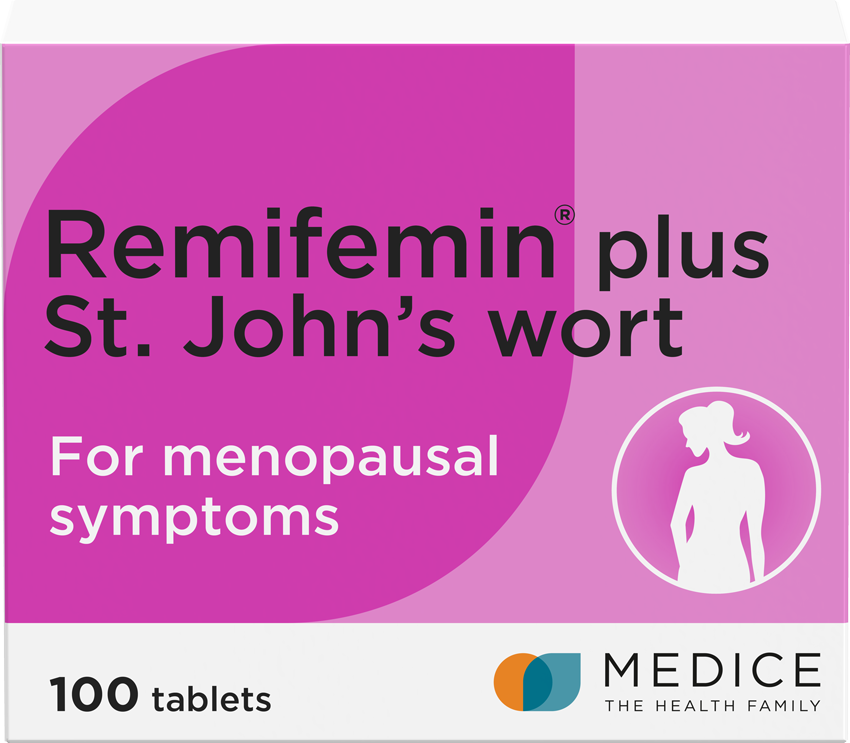
Remifemin® plus St. John's wort and Remifemin® tablets contain an extract of the rhizome (underground stem) of black cohosh (Cimicifuga racemosa). Remifemin® plus St. John's wort contains a dry extract of St. John's wort as an additional active ingredient for the treatment of emotional symptoms. Both medicines also contain ingredients that have no medicinal effect, such as cellulose powder, potato starch, lactose monohydrate and magnesium stearate.
We have received numerous reports from doctors showing that Remifemin® plus St. John's wort and Remifemin® have been used for several years and are still being used with good to very good effectiveness. Therefore, you can take Remifemin® plus St. John's wort or Remifemin® for as long as it helps you and you continue to feel good, provided that your doctor agrees.
You also don't need to worry about the medicine becoming less effective over time or about becoming dependent on it if you take Remifemin® plus St. John's wort or Remifemin® for a long period of time (months or even years). The active ingredients black cohosh and St. John's wort, which is in Remifemin® plus St. John's wort, do not cause dependency, and there is no known reduction in effect. Important: Even if you feel good when you are taking one of the three products, you should talk to your doctor if you are using the treatment regularly for more than six months. This should prevent any other diseases from being overlooked. This also gives you the opportunity to discuss the next steps in your treatment with your doctor.
Many women first notice improvements in their menopause symptoms around two to four weeks after they start taking the treatment. It is worth remembering that Remifemin® plus St. John's wort and Remifemin® are herbal medicines. Although nature is gentle, it also needs a little time — the effect will not be immediate. In addition, Remifemin® plus St. John's wort or Remifemin® should be taken for an extended period of time, as the treatment results usually continue to improve2. It is also important to take the treatment regularly (once or twice per day) to ensure that it is effective.
A phytoestrogen is a herbal substance that can have an oestrogen-like effect or an anti-oestrogen effect. Phytoestrogens include isoflavones (soya, red clover, rhapontic rhubarb, lentils, beans, chickpeas etc.), coumestans (soya, alfalfa) and lignans (grains, cherries, apples, pears, carrots, fennel, garlic and onions). Remifemin® plus St. John's wort and Remifemin® do not contain these kinds of phytoestrogens1. Clinical studies have shown that taking the iCR special extract contained in Remifemin® plus St. John's wort and Remifemin® does not cause any oestrogen (hormone)-like effects on breast tissue or the womb3.
Remifemin® plus St. John's wort and Remifemin® are non-prescription medicines — they do not require a prescription and can therefore be purchased in any pharmacy without a prescription. Since 01/01/2004, as a result of health reforms, non-prescription medicines have "become the personal responsibility of the insured" – in other words: They are no longer covered by public health insurance.
Other countries where Remifemin® is available include:
Australia, Austria, Bulgaria, China, Croatia, Denmark, Germany, Hungary, Italy, Korea, Luxembourg, Malaysia, New Zealand, Norway, Philippines, Poland, Romania, Slovenia, Spain, Sweden, Thailand, USA and Uzbekistan.
Remifemin® plus St. John's wort is available in Germany, Austria and Hungary.
In relation to black cohosh, the term "active ingredient" refers to the medicinal parts of the plant, i.e. dried rhizome (underground stem).
One Remifemin® tablet contains 2.5 mg dry extract of black cohosh rhizome, which corresponds to around 20 mg of the active ingredient per tablet. When taking one tablet twice per day, this corresponds to a daily dose of 40 mg of the active ingredient (black cohosh rhizome).
One Remifemin® plus St. John's wort tablet contains 3.75 mg dry extract of black cohosh rhizome, which corresponds to 30 mg of the active ingredient. When you first start taking Remifemin® plus St. John's wort, you take two film-coated tablets twice per day; this corresponds to a daily dose of 120 mg of the active ingredient (black cohosh rhizome). This is the highest dose tested by us in clinical studies and therefore also the highest approved dose. When taking one film-coated tablet twice per day, the daily dose is 60 mg of the active ingredient.
The "plus" in the name refers to the St. John's wort extract, which provides extra support for your emotional well-being. The St. John's wort content in Remifemin® plus St. John's wort is 70 mg St. John's wort extract.
Below is a summary of the differences between Remifemin® plus St. John's wort and Remifemin®:
Remifemin® plus St. John's wort
- Black cohosh (average of 30 mg active ingredient/film-coated tablet) and St. John's wort
- As soon as symptoms start; for moderate to severe physical and emotional symptoms (e.g., hot flushes, sweating, sleep problems, anxiety, irritability, low mood)
Remifemin®
- Black cohosh (average of 21 mg active ingredient/tablet)
- For mild symptoms; later in menopause as well as when the symptoms have started to ease (e.g., hot flushes, sweating, sleep problems)
The reference to "rare gastrointestinal complaints" in the package leaflet for Remifemin® plus St. John's wort and Remifemin® has been included for general drug safety reasons when taking black cohosh rhizome products. It refers to stomach and digestive problems that some people have experienced but that have been rare and usually only very mild and that have disappeared again quickly when they stopped taking Remifemin® plus St. John's wort or Remifemin®. There are no known cases where these problems have caused lasting damage or more serious stomach diseases. However, we recommend taking Remifemin® plus St. John's wort or Remifemin® either with or just after a meal in order to prevent stomach and digestive problems.
An increasing number of women do not want to take hormone therapy and want to take a natural medicine instead. Remifemin® plus St. John's wort offers an alternative, as it can produce good to very good results when treating typical menopause symptoms, such as hot flushes, sleep problems, mood swings etc2. However, if your doctor insists that hormone therapy is the right treatment for you, they will have specific reasons for this, which you should ask them to explain. Whether the doctor recommends hormone therapy or a herbal alternative also depends on their approach. Many doctors still consistently dismiss herbal treatment methods, while others have come to value them. It is also worth noting that the effectiveness of the special extract in Remifemin® plus St. John's wort is similar to that of hormone therapy4,5.
However, the decision about whether hormone therapy is actually necessary should be taken with your doctor. It is important that you make your wishes and expectations about this clear.
Unfortunately, we can't answer this question with any certainty. If you have inherited certain risk factors (slim figure, fair and thin skin), the first step to reduce the risk of osteoporosis is to reduce other risk factors, such as nicotine, alcohol and caffeine. In addition, it is strongly recommended that you get plenty of exercise and eat a diet rich in calcium. At an age when osteoporosis is more likely, the recommended calcium intake is around 1000 to 1500 mg per day.
Taking Remifemin® plus St. John's wort can be helpful after both a partial and a total hysterectomy — it can be taken alone or in combination with another product. The menopause symptoms caused by the surgery are essentially the same as those that you would experience with a natural menopause. You must talk to your doctor first before taking Remifemin® plus St. John's wort and you must not stop taking a medicine that your doctor has prescribed you unless they know about this and are in agreement.
If it is over a year since your periods stopped, it is unlikely that you will experience bleeding again, as Remifemin® plus St. John's wort is not a medicine with hormone-like effects.
However, if you do experience bleeding, we recommend that you contact your doctor immediately to rule out more serious conditions.
Surveys show that a third of all women experience almost no symptoms during menopause, a third experience mild to moderate symptoms and the final third report having severe to very severe symptoms. Based on these figures alone, we recommend waiting to see whether you actually experience any symptoms and, if so, how severe they are. It is also worth noting that the use of Remifemin® plus St. John's wort and Remifemin® as a preventive measure has not been studied.
However, what you can do — and not just as a preventive measure — is eat a balanced diet, i.e. plenty of vitamins and fibre, and get a healthy amount of exercise. Learning about menopause and talking to other women to share experiences can also help to make this phase of life more positive and liberating.
This is not possible for legal reasons. Remifemin® plus St. John's wort and Remifemin® are non-prescription medicines, which patients can only get from a pharmacy or as a sample from their doctor. This rule applies to all non-prescription medicines without exception.
This is also not permitted according to official regulations. All manufacturers are strictly forbidden to give samples of a non-prescription medicine to end consumers. Anyone who does not comply with this rule can face serious consequences.
We can only give medicine samples to doctors, and even then, only in limited, legally specified quantities.
Products for menopause symptoms that are available outside of pharmacies are usually not medicines; they are mainly "dietary supplements". From a legal perspective, these kinds of products are not intended to provide effective treatment for acute symptoms or conditions.
However, medicines such as Remifemin® plus St. John's wort are proven to do exactly that. For this reason, you will find them in the hands of a competent expert like the pharmacy staff rather than on the shelves of a supermarket. This strong connection to the pharmacy also underlines the fact that Remifemin® plus St. John's wort is a non-prescription medicine.
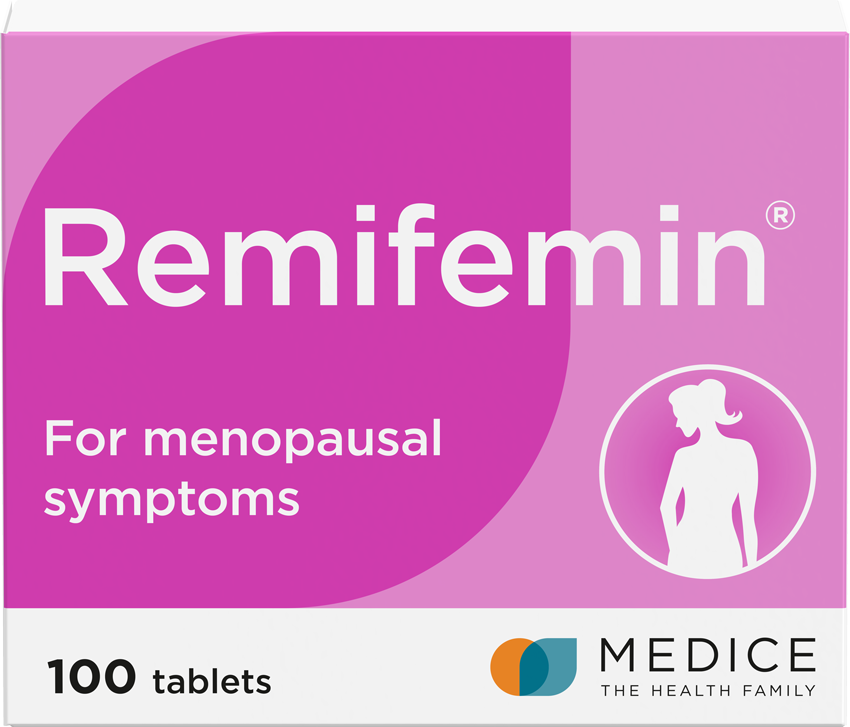
Remifemin® is used for psychological and neurovegetative (= involuntary bodily functions) menopause symptoms, such as hot flushes, sweating and sleep problems. It is taken as one tablet twice per day (= 40 mg dried plant extracts). Due to its dose, it is usually used when menopause symptoms are mild or starting to ease.
Remifemin® is gluten-free. Remifemin® contains lactose.
Remifemin® is vegetarian. Remifemin® is not vegan, as it contains lactose.
Remifemin®: Take one tablet twice per day (morning and evening) unchewed with a small amount of liquid (do not suck the tablet). The tablets do not need to be taken with a meal.
Remifemin® is available in three pack sizes:
- 60 tablets, 100 tablets and 200 tablets.
The following information on how long the products can be used is provided in the package leaflets for Remifemin®:
"Remifemin® does not reveal its effect immediately. The first therapeutic effects are apparent after two weeks of treatment. It is advisable to take Remifemin® for several months but not longer than six months without medical advice."
This means that there is no limit to how long you can use the medicine, but you should not use it for longer than six months without medical advice. Regular check-ups with your doctor keep you safe and ensure that other conditions can be ruled out or treated in time. For this reason, you should also tell your doctor that you are taking Remifemin® products.
From everyday medical experience, we know that a well-tolerated herbal medicine like Remifemin® is suitable for long-term treatment. Therefore, Remifemin® can usually be taken for as long as your menopause symptoms last. You do not need to take a break.
However, if your symptoms get worse or there is no improvement after four to six weeks, you should talk to a doctor or pharmacist.
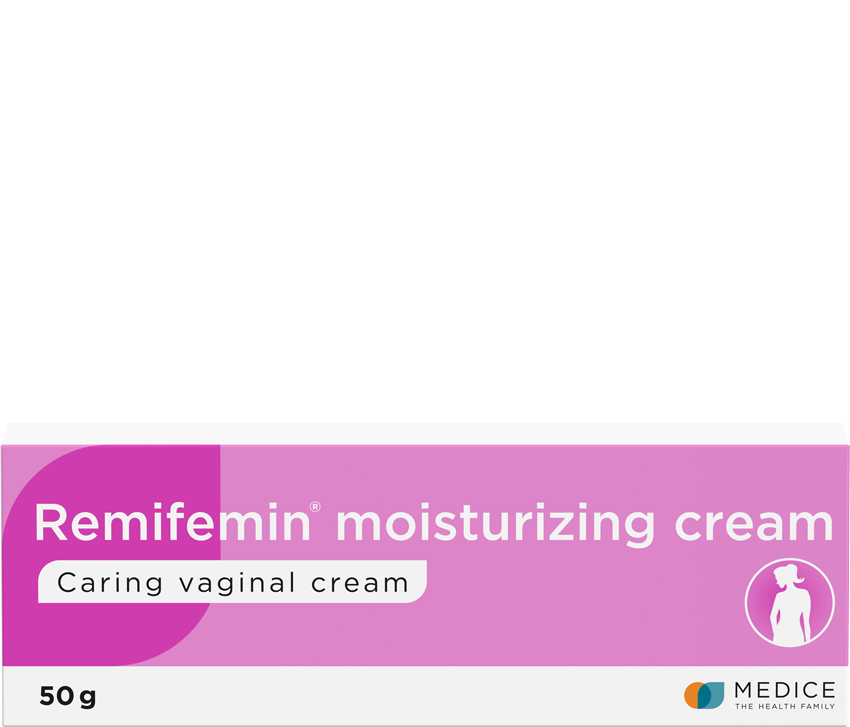
It is used for symptoms caused by dryness of the vagina or external genital area (feelings of dryness, burning, pain during sex or itching), which can occur during menopause. It is also used to make sex more comfortable. Remifemin® Moisturizing Cream physically supports the healing process for minor injuries, which can occur in connection with the vaginal mucosa (vaginal lining) thinning and becoming more vulnerable.
Remifemin® Moisturizing Cream is vegetarian and vegan.
Remifemin® Moisturizing Cream does not contain any fragrances or dyes. It is also free from silicones and parabens.
Remifemin® Moisturizing Cream is for use in the vagina and on the skin of the external genital area. Remifemin® Moisturizing Cream can be used with or without an applicator. You should make sure you have clean hands and ensure good hygiene in the genital area. For symptoms at the vaginal entrance and in the external genital area, use a clean finger to apply and spread the cream; a strip of cream about 0.5 cm long is enough. A small amount of cream can be applied to the area around the vaginal entrance to make it easier to insert the applicator.
Remifemin® Moisturizing Cream can be inserted into the vagina using the applicator. To do this, fill the applicator halfway (around 2.5 g cream); see also the "Directions for use" section in the package leaflet. The cream should be applied once per day — preferably in the evening before bedtime (if necessary, wear a panty liner).
Remifemin® Moisturizing Cream is available in a 50 g pack.
Remifemin® plus St. John's wort is used to relieve hot flushes and profuse sweating when these symptoms are accompanied by additional emotional menopause symptoms, such as low mood, anxiety and irritability.
Remifemin® plus St. John's wort contains lactose. Remifemin® plus St. John's wort is gluten-free.
Remifemin® plus St. John's wort is vegetarian. Remifemin® plus St. John's wort is not vegan, as it contains lactose.
In the first eight weeks of treatment, take two film-coated tablets twice per day. From the ninth week of treatment, the dose is reduced to one film-coated tablet twice per day. Take the film-coated tablets unchewed with liquid in the morning and evening. The film-coated tablets do not need to be taken with a meal.
Remifemin® plus St. John's wort is available in three pack sizes: 60 film-coated tablets, 100 film-coated tablets and 180 film-coated tablets.
The following information on how long the product can be used is provided in the package leaflet for Remifemin® plus St. John's wort:
"Remifemin® plus St. John's wort does not work immediately. An improvement of the complaints can usually be seen after 2 to 4 weeks. It is recommended to take Remifemin® plus St. John's wort for several months but no longer than 6 months without medical advice."
This means that there is no limit to how long you can use the medicine, but you should not use it for longer than six months without medical advice. Regular check-ups with your doctor keep you safe and ensure that other conditions can be ruled out or treated in time. For this reason, you should also tell your doctor that you are taking Remifemin® products.
From everyday medical experience, we know that a well-tolerated herbal medicine like Remifemin® plus St. John's wort is suitable for long-term treatment. Therefore, Remifemin® plus St. John's wort can usually be taken for as long as your menopause symptoms last. You do not need to take a break.
However, if your emotional menopause symptoms have not improved after six weeks, you should seek medical advice.
The St. John's wort extract used in Remifemin® plus St. John's wort has been studied in order to answer this question. In this clinical study, sensitivity to light increased by just 0.2–8% on average — this difference is not significant and has little impact on your health.
There are simple steps you can take to respond to this minor change in light sensitivity:
- Increase the SPF of your sun protection products by 1–2 units (e.g. SPF 12 instead of 10) or
- Reduce the amount of time you spend in the sun or the intensity of your sunbed by 8% (e.g., 55 instead of 60 minutes).
The Remifemin® product family
The product family – consisting of Remifemin® plus St. John's wort and Remifemin® – contains effective preparations for symptoms such as hot flushes, sweating and sleep disturbances1,2. Remifemin® Moisturizing Cream (medical device) for use in cases of vaginal dryness completes the Remifemin® product portfolio.
St. John’s wort
Moisturizing Cream