
 Search


 Symptoms
Menopause:
Typical symptoms
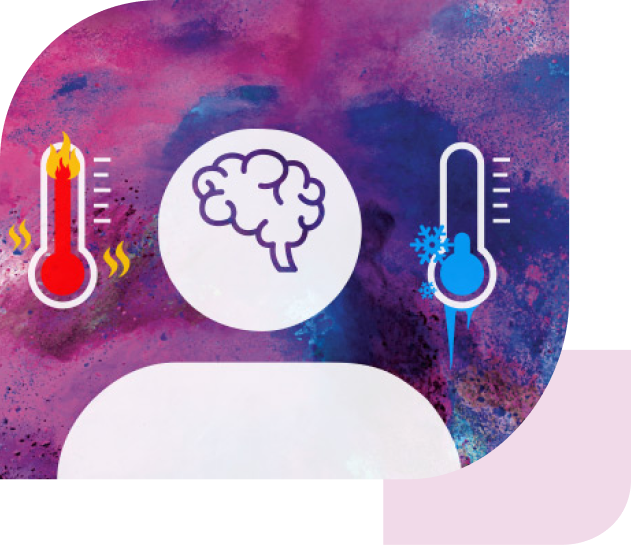
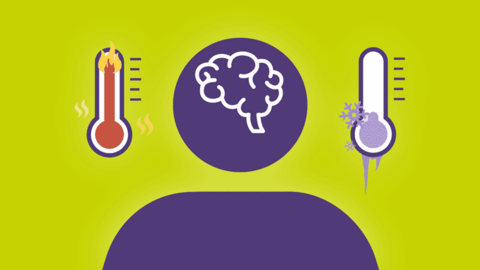
A sudden increase in heat (sometimes leading to sweating) is a typical symptom of menopause. This is caused by the slow reduction in hormone levels during menopause, which irritates the body's temperature control system. The result: hot flushes.

The hormonal transition during menopause often results in problems falling asleep and staying asleep. Night sweats can also have a negative impact on sleep. A persistent lack of sleep can reduce physical performance while increasing emotional stress.

Many women are already familiar with hormone-driven mood swings from the days leading up to their period (PMS). Something similar happens during menopause, and symptoms range from anxiety and tension to low mood. This can have a significant impact on your well-being.

As oestrogen production decreases during menopause, blood supply to the vaginal mucosa (vaginal lining) is also reduced. Production of vaginal fluid also decreases at the same time. Both of these factors can cause itching, burning and vaginal dryness.

In addition to typical symptoms, such as hot flushes, sleep problems and mood swings, decreasing levels of oestrogen production during menopause can also cause skin changes.

Many women want to know what causes hair loss during menopause, what they can do to combat it and how long it will last.